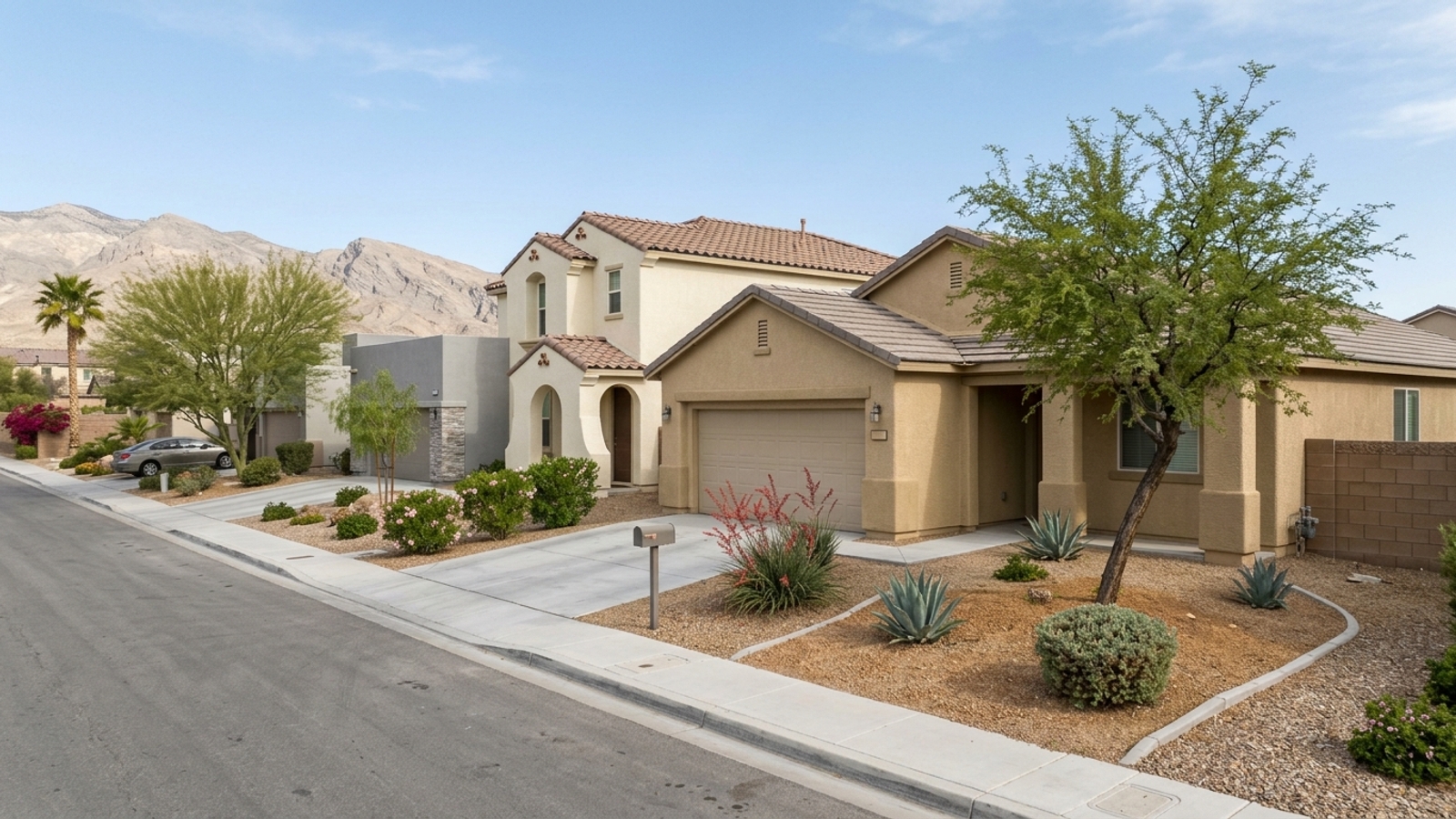
The median home price in Las Vegas, NV recently hit around $450,000, and a meaningful share of those properties change hands through the probate process in Nevada. When a homeowner passes away, their estate typically moves through the court system to settle debts and transfer assets, and heirs or executors learn fast that this legal process dictates exactly when and how they can sell.
The timeline depends on the size of the estate and the local court's schedule. In Clark County, legal proceedings govern everything from when you can list the house to how you handle the final closing. If you understand these rules up front, you can plan your next steps and avoid the kind of delays that cost families real money.
The Probate Timeline in Nevada
There's no separate probate court in Clark County. Everything runs through the Eighth Judicial District Court of Nevada, with hearings at either the Phoenix Building on South 3rd Street or the Regional Justice Center on Lewis Avenue. The Probate Commissioners handle around 200 matters each week on a first-come, first-served basis, so you're not the only one waiting.
Initial hearings are generally scheduled 24 to 60 days after you file the petition. The full timeline to close an estate ranges from a few months to over a year, depending on the estate's total value and whether anyone contests the will. That's a wide window, and knowing where your situation falls helps you plan with something closer to a real schedule.
What Happens During Probate
Probate is the legal procedure used to validate a deceased person's will, pay off their debts, and distribute the remaining assets to heirs. If the person died without a will, the court applies intestate succession laws to determine who inherits what. Either way, the court appoints an executor or personal representative to manage the estate throughout the process.
That representative secures the property, maintains it, and prepares it for sale if liquidating the asset is the right call. They're also bound by specific statutory steps. There's no shortcutting the sequence before real estate can legally change hands.
What Slows Down the Court Process
Court backlogs top the list. The Eighth Judicial District Court added a second probate commissioner to help with the caseload, but scheduling still bends to current congestion. Missing heirs or family disputes over the will can stall proceedings for months while the court sorts out the conflict.
Creditor claims are the other major brake on the timeline. If a creditor disputes a debt or files a complicated claim against the estate, the executor has to resolve it before any assets can be distributed, no exceptions.
The Legal Steps to Sell an Inherited Home
Selling an inherited house means following state law on estate administration precisely. You can't put a sign in the yard the day after the owner passes. The court has to grant explicit legal authority to the personal representative before they can sign a listing agreement or accept an offer.
The exact procedure turns on the value of the estate's assets. Nevada law sets specific financial thresholds that determine whether an estate qualifies for a simplified process or requires a full general administration, and that distinction matters quite a bit for your timeline.
Filing the Petition and Gaining Authority
The process starts when the proposed executor files a petition with the Clark County District Court. Once the court approves it, it issues Letters Testamentary or Letters of Administration, the documents that prove the executor has legal power to act on behalf of the estate.
Until those letters are in hand, nothing happens. No listing, no contract, no forward motion. Getting that documentation is the first real milestone for any heir looking to sell a Las Vegas property.
The Notice to Creditors Phase
Nevada law (NRS 147.040) requires a creditor claim period to make sure all debts are settled before heirs see a dime. For general administration, that means a mandatory 90-day waiting period starting from the first publication of the Notice to Creditors. If the estate qualifies for Summary Administration, that period drops to 60 days.
The executor must also give any known creditors the longer of either 30 days after mailing the notice or the full 90- or 60-day period, whichever runs later. The estate cannot close and final funds cannot be distributed until that window expires. There's no negotiating around it.
Property Valuation and Appraisals
The executor has to compile an inventory of all estate assets, real estate included, and submit it to the court. The property usually requires a formal appraisal to establish its fair market value at the time of the owner's death. That number determines the estate's total worth and which legal track probate follows.
It also sets the foundation for a realistic list price. Las Vegas homes are currently sitting on the market for roughly 55 days, so pricing right from day one matters. An overpriced probate listing doesn't get second chances the way a traditional sale sometimes does.
Closing the Estate and Distributing Funds
After the property sells and the creditor waiting period runs out, the executor pays all valid debts and taxes, then files a final accounting with the court, a full breakdown of income, expenses, and the proposed distribution to heirs.
Once the judge approves that accounting, the funds go out to the heirs and the court officially closes the estate. That's the finish line.
Selling a Probate Property in Las Vegas
A probate listing isn't a standard real estate transaction. The executor represents the estate, which means they often have limited personal knowledge of the property's condition or history. Buyers and their agents need to be ready for specific contract addendums that acknowledge the court's involvement. It's a different rhythm than a typical purchase.
The broader market context is useful here: Las Vegas homes are currently selling for about 98% of their list price, and roughly 15% sell above asking. Executors who understand those conditions can evaluate offers more effectively while still meeting their fiduciary duty to the estate.
Choosing a Local Real Estate Agent
Work with an agent who knows Clark County probate procedures. That's not a general recommendation. It's the difference between a smooth transaction and one where the deal falls apart because a listing agreement didn't align with the executor's legal authority. An experienced agent coordinates with the estate's attorney, manages buyer expectations around potential court delays, and handles the specific disclosures required for an inherited Las Vegas property.
Marketing a probate home also takes a clear strategy. There are real constraints, and the right agent presents the property honestly without letting those constraints become a liability in negotiations.
Court Approval for the Sale
Depending on how the court structured the administration, the executor may need formal court confirmation before the sale can close. If confirmation is required, the accepted offer goes to a hearing where other buyers can overbid the initial contract.
If the executor has independent administration authority, the sale can often move without a confirmation hearing, and it looks much more like a traditional real estate transaction.
Options to Speed Up the Legal Steps
Full general administration is required for Nevada estates valued above $500,000. Because the Las Vegas median is around $450,000, plenty of estates containing a house hover near or above that threshold once you factor in other assets. That said, state law does provide faster tracks for estates that fall below certain limits.
As of October 1, 2025, following the passage of SB 404, Nevada raised its small-estate thresholds. These updated rules let qualifying estates skip the longer general administration process, which saves families both time and court fees.
Using Summary Administration
Summary Administration is available for estates valued between $150,001 and $500,000. It still involves court oversight, but it cuts the mandatory creditor waiting period from 90 days to 60. Some of the filing requirements are simpler as well.
For smaller estates, there are additional options. The set-aside procedure applies to estates valued at $150,000 or less. Estates with personal property under $25,000 and no real estate can use a simplified Small Estate Affidavit without any court filing at all, provided 40 days have passed since the death.
Proactive Estate Planning Methods
The cleanest way to keep a property out of the court process is to plan ahead. A living trust allows the property to transfer directly to beneficiaries upon death, bypassing the Eighth Judicial District Court entirely.
Nevada also allows property owners to record a Transfer on Death deed, a document that names a beneficiary who automatically inherits the real estate when the owner passes. No court involvement required. If you're advising a client who still has time to plan, these are the two tools worth knowing.
Frequently Asked Questions
How long does the average probate process take in Las Vegas?
It usually runs anywhere from a few months to over a year. The Eighth Judicial District Court schedules initial hearings 24 to 60 days after filing. The total time depends on the estate's value, the creditor waiting period, and whether the estate qualifies for Summary Administration.
Can I sell a house before probate is finished in Nevada?
Yes, the executor can sell the house during the legal process. They need Letters Testamentary from the court first, which grants the authority to list the home. The final distribution of sale proceeds won't happen until the estate officially closes.
How much does probate cost in Nevada?
It varies based on the estate's size and complexity. Typical expenses include court filing fees, appraisal costs, and attorney fees. All of those come out of the estate's assets before heirs receive their inheritance.
Is probate required if there is a will?
Yes. A will doesn't bypass the court. The court still has to validate it and oversee the executor's actions. Only specific legal structures, a living trust or a Transfer on Death deed, can keep a property out of the court system.
Are there legal ways to avoid probate for real estate in Nevada?
Yes. A living trust allows property to transfer directly to beneficiaries without court involvement. Nevada also permits Transfer on Death deeds for real estate. Both methods let the house bypass the probate process entirely.
Do I have to attend probate hearings in Las Vegas if I inherited a house but live out of state?
It depends on your role. Heirs generally don't need to attend unless they're contesting the will. An out-of-state executor may need to be present for certain hearings, though attorneys can often represent them or arrange virtual appearances depending on what the court allows.