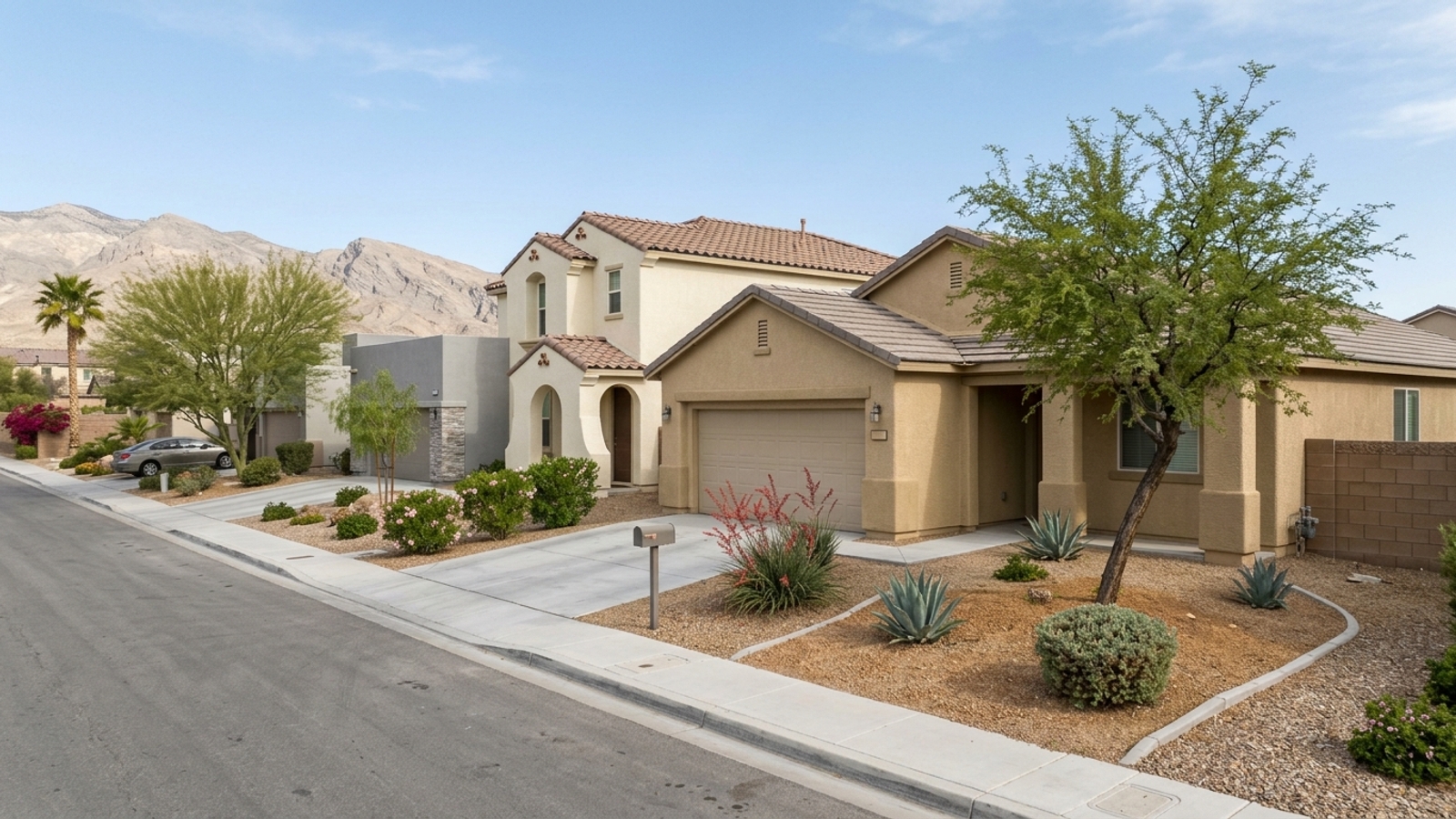
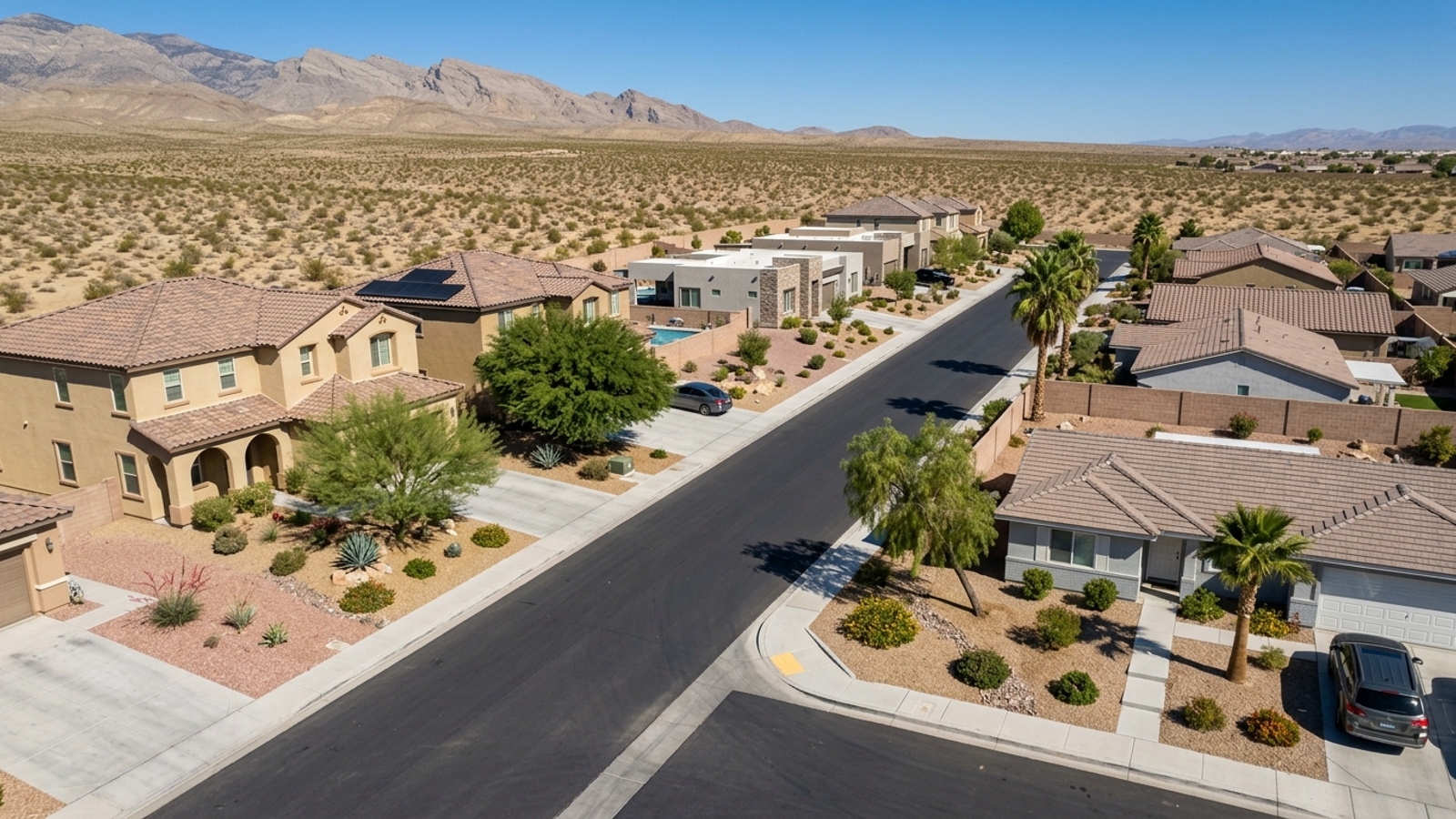
The median sale price for a home in Las Vegas, NV is sitting around $449,700 right now. When an out-of-state resident dies owning property here, their heirs can't simply list the house and capture that equity. Nevada state law requires executors to complete a secondary probate process before the title can move.
That process is ancillary probate. It applies specifically to out-of-state residents who leave behind real estate in Nevada, and it exists to make sure local law governs the local property before any sale or transfer happens.
Understanding Ancillary Probate in Nevada
Real estate is governed by the state where the dirt sits, not where the owner lived. The primary probate court in the deceased's home state handles their personal property and local assets, but that court has no jurisdiction over real estate sitting in Nevada.
To legally transfer or sell a Las Vegas home, the executor has to open a second probate case here. That gives the local court the authority to issue orders about the local property.
Why Real Estate Triggers the Process
Title insurance companies won't issue a policy on a Las Vegas home without a clear chain of title approved by a Nevada judge. Without that court approval, the executor has no legal authority to sign a listing agreement or a closing deed in Clark County.
Buyers and title companies need that local court order to finalize the transaction. Until the Nevada court formally recognizes the executor, the property stays locked in the deceased owner's name.
The Legal Process in Clark County
Probate matters in Clark County run through the Eighth Judicial District Court. There's no separate court for out-of-state cases. Ancillary petitions follow the same rules as standard local probate. Filings are handled at the Regional Justice Center at 200 Lewis Avenue, and the Probate Commissioner conducts hearings at the Phoenix Building on South 3rd Street.
Filing fees are the same for ancillary cases as for primary ones. An estate valued between $20,000 and $300,000 typically costs about $296 to $300 to file. Estates over $300,000 run about $540 to $557. There's also a mandatory $3.50 e-filing fee per document, and publishing the required notices costs roughly $80 to $250.
Filing the Foreign Will and Appointing a Representative
The executor submits authenticated copies of the will and the primary state's probate documents to the Clark County court. This establishes the executor's authority and proves the will's validity in Nevada.
Once approved, the court issues local Letters Testamentary. Certified copies run about $3.00 each and serve as proof that the executor can act on behalf of the Nevada estate.
Clearing Local Creditor Claims and Timelines
Nevada law requires executors to publish a notice to local creditors. The standard waiting period is 90 days, or 60 days for a Summary Administration.
Court backlogs mean that getting an initial uncontested hearing scheduled in Clark County has recently taken about three to four months. Add the mandatory waiting periods, and a straightforward ancillary probate case typically takes 120 to 180 days to resolve. Contested matters can stretch that to a year or more.
How to Sell an Inherited Las Vegas Home
Las Vegas homes are spending about 55 days on the market before selling. For an out-of-state executor, that's on top of four to six months of probate, and the property still needs to be maintained during all of it.
You can't officially close until the court grants authority, but you don't have to sit on your hands. Executors typically use the creditor waiting periods to handle clean-outs, repairs, and staging. The work still gets done; it just can't result in a closed sale yet.
Working with local professionals makes this manageable when you're out of state. A real estate agent who knows the Eighth Judicial District Court's requirements can coordinate with local contractors and get the listing ready to go the moment the court clears it.
Listing and Court Confirmation
Depending on how the probate is filed, the court may need to confirm the sale before it becomes final. The executor signs the listing agreement, but buyers need to understand the timeline is subject to court approval.
Title companies will review the local probate documents to confirm all creditor periods have passed and the executor has full legal standing. Once the title is clear, the transaction closes like any other sale.
Ways to Bypass the Secondary Probate Process
Property owners can structure their estate to avoid the Clark County probate courts entirely, which saves heirs thousands of dollars in court fees and months of delay.
The catch is that these tools have to be in place before the owner dies. If the property is already in the deceased's individual name at the time of death, the executor is going through the court system, full stop.
Trusts, Deeds, and Joint Ownership
Placing the Las Vegas property into a living trust removes it from the individual's probate estate. The successor trustee can sell or transfer the home immediately upon the owner's death, without any court involvement.
Nevada also allows Transfer on Death (TOD) deeds, which pass the property automatically to a named beneficiary. Joint tenancy with right of survivorship works the same way. The property transfers directly to the surviving co-owner, bypassing both primary and secondary probate.
Frequently Asked Questions About Nevada Ancillary Probate
When is ancillary probate required in Nevada?
It's required whenever a non-resident dies owning real estate solely in their name within the state. The primary out-of-state probate court can't transfer the title of a Nevada property, so the executor has to open an ancillary case in the local county where the real estate is located.
What documents from the home state are needed to file for ancillary probate in Clark County?
The executor must provide an authenticated copy of the deceased's will and the primary state's probate orders. These are filed at the Regional Justice Center in Las Vegas to establish the executor's authority. The court uses them to issue local Letters Testamentary.
How long does ancillary probate take in Clark County, Nevada?
A straightforward case typically takes 120 to 180 days. Court backlogs mean an initial hearing can take three to four months to schedule, and there's a mandatory 90-day creditor notice period on top of that.
How much are the court fees and attorney costs for ancillary probate in Las Vegas?
Initial court filing fees run about $270 for estates under $100,000, and estates over $300,000 cost roughly $557 to file. There's also a mandatory $3.50 e-filing fee per document, and publishing creditor notices runs around $80 to $250.
Can I sell an inherited house in Las Vegas during ancillary probate?
You can't finalize the sale until the Clark County court grants the executor legal authority. You can prepare the house and even list it, but closing has to wait for court approval.
How can out-of-state residents avoid ancillary probate for a Las Vegas property?
Place the property in a living trust before you pass away. You can also record a Transfer on Death (TOD) deed or hold title in joint tenancy with right of survivorship, and either one bypasses the process.
What happens if I don't file for ancillary probate on an inherited Nevada property?
The property stays in the deceased person's name indefinitely. You won't have the legal authority to sell it, transfer the title, or secure a new mortgage until a local court clears the chain of title.