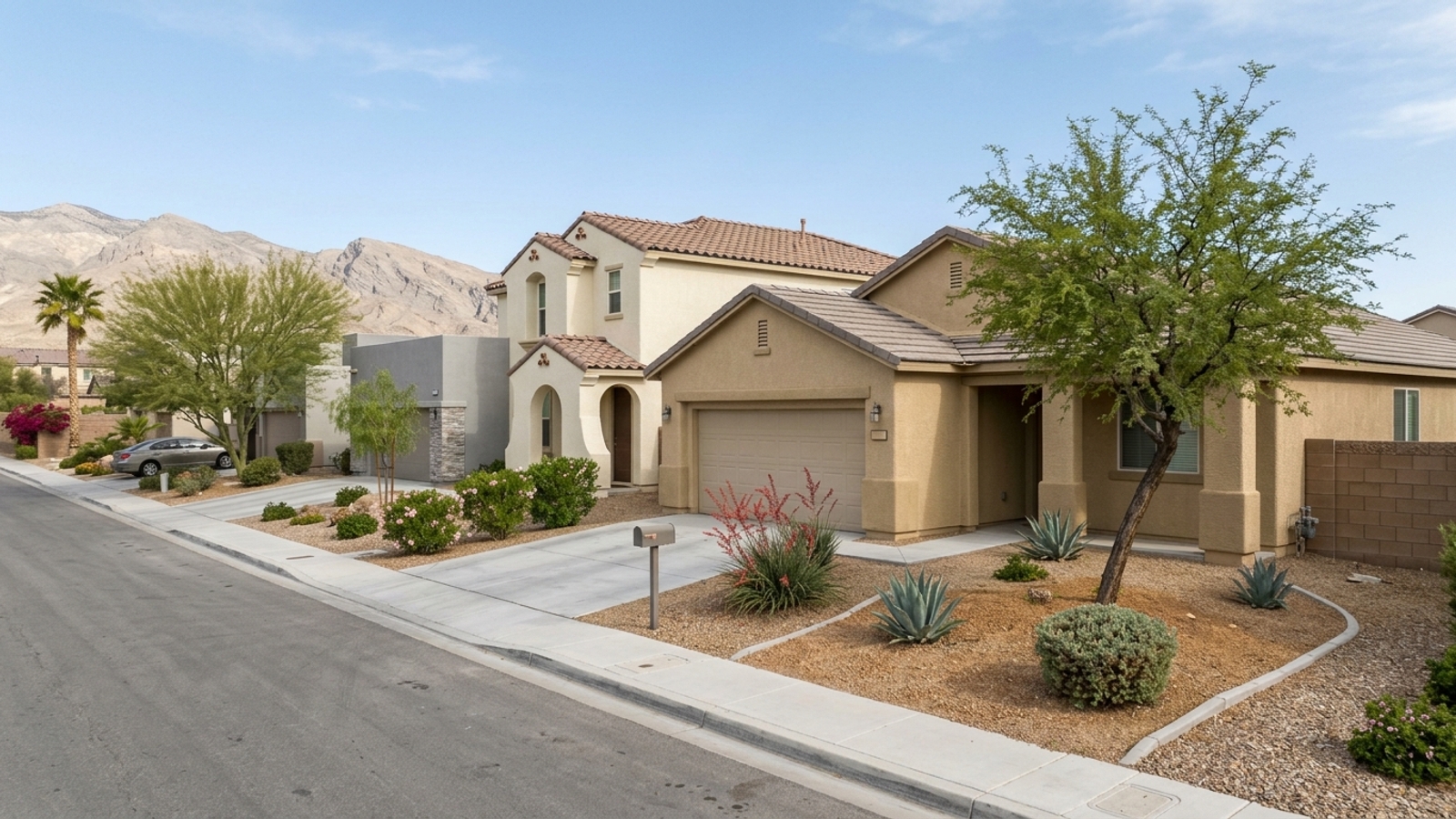
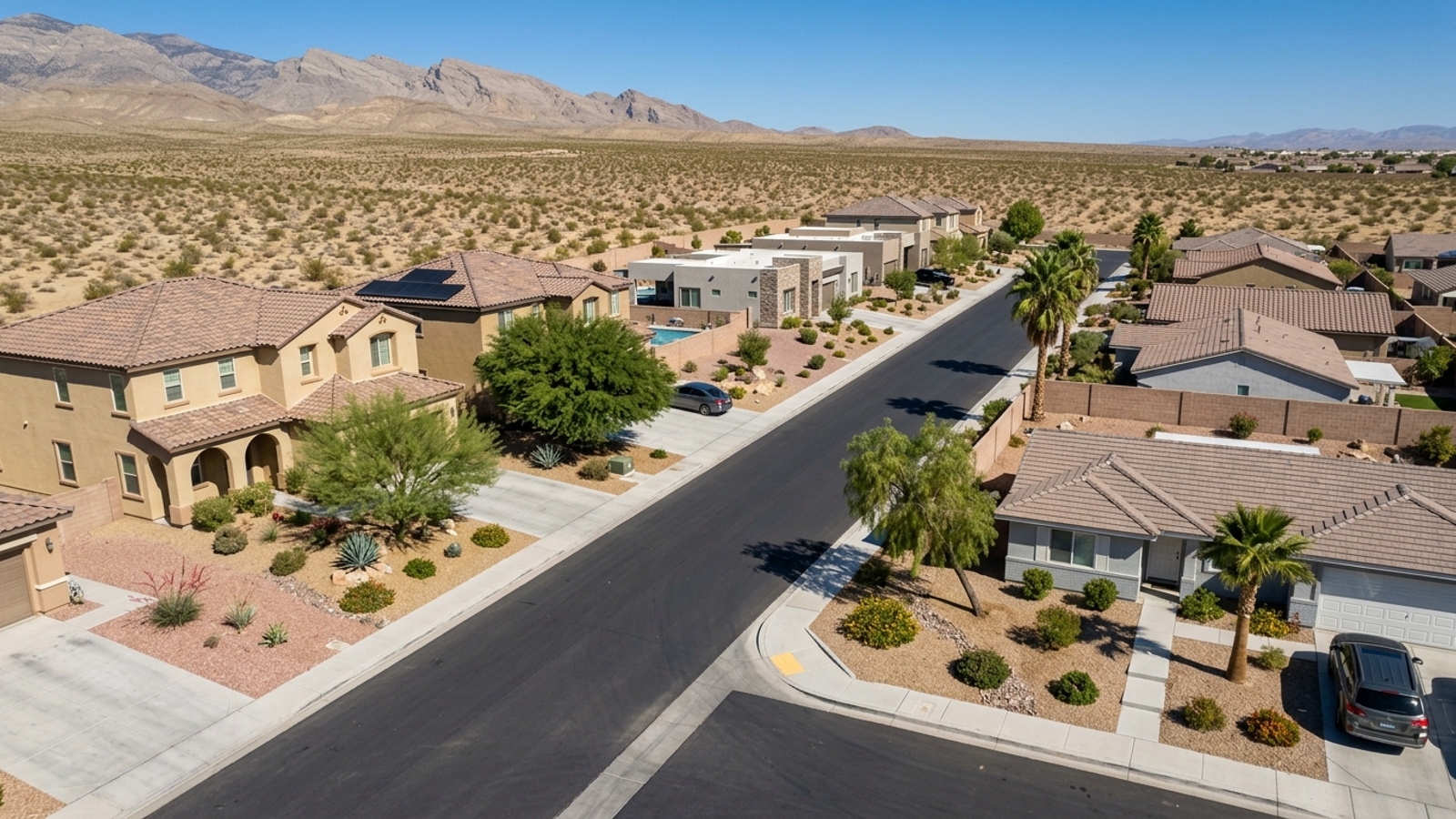
Inheriting a property in the Las Vegas area almost always means working through the Nevada probate process before you can put a sign in the yard. The median sale price here sits around $450,000, and that's real equity on the line. Unlocking it requires following specific legal steps in the right order.
The process transfers ownership from a deceased person's estate to heirs or buyers through the local judicial system. Whether the deceased left a will (testate) or didn't (intestate), the court oversees the administration to make sure debts get paid and assets go where they're supposed to.
How the Clark County Probate Process Works
The Probate Division of the Eighth Judicial District Court handles all estate matters for the Las Vegas area. Initial hearings are typically scheduled 24 to 60 days after filing, and the Probate Commissioners work through roughly 200 matters per week, so this is a well-worn machine, not a rare or exotic process.
Hearings happen Wednesday and Friday mornings on a first-come, first-served basis. The size and complexity of the estate determine which procedures apply and how much court supervision the sale will require.
When Court Supervision is Required
If the deceased owned real estate in their name alone, it almost always goes through this process. The court appoints an executor or personal representative to manage the estate, pay off creditors, and handle the eventual sale.
How much oversight you'll face depends on the estate's total value. Since the 2025 update to Nevada law (SB 404), the state uses specific dollar thresholds to classify estates into different administration tiers.
Where to File and Contact the Court
The Probate Division operates out of the Phoenix Building at 330 South 3rd Street in Las Vegas. You can reach them at (702) 455-2650 or probate@clarkcountycourts.us.
That said, filings and document processing happen at the District Court Clerk's Office inside the Regional Justice Center at 200 Lewis Avenue. If you need to lodge an original will, that goes to the Family Courts and Services Center on North Pecos Road. Three different locations, worth knowing before you make the drive.
Steps to Selling the Property
Selling a home out of an estate isn't like a standard transaction. You can't legally list or sell the property until the court grants you proper authority. Full stop.
Las Vegas homes are currently spending about 55 days on the market before selling. Add the legal timeline on top of that marketing period and you're looking at a process that rewards patience and careful coordination with the court's schedule.
Getting Appointed as the Personal Representative
You'll start by filing a petition to be officially appointed as executor or personal representative. Once the court issues Letters of Administration, you have the legal right to act on behalf of the estate.
The type of administration dictates your timeline. Summary Administration applies to estates between $150,001 and $500,000 and carries a shortened 60-day creditor notice period. General Administration covers estates over $500,000, with full court supervision and a 90-day creditor notice period. That difference in creditor notice periods alone can shift your closing target by a month.
Marketing the Home and Receiving Offers
Once you have legal authority, you can hire a real estate agent and list the property. Any accepted offer is typically subject to court approval, so buyers need to understand that upfront. The timeline here is longer than anything they've experienced in a conventional purchase.
The executor accepts the best offer, but that acceptance is just the beginning of the final legal steps.
Court Confirmation and Closing
Under Nevada law (NRS 148), most real property sales in probate must be reported to and confirmed by the court before title can pass to a buyer. The personal representative files a report of the sale and publishes a notice.
A confirmation hearing is then scheduled. That hearing typically adds two to six weeks to the closing timeline, and it's not a formality. Competing buyers can submit overbids, and the court confirms the final price and buyer before anything closes. Your accepted buyer needs to know this going in.
Managing the Vacant Property Before the Sale
Estates can take months to resolve, and the property sits vacant the whole time. Under the 2025 guidelines, a General Administration typically runs 6 to 12 months for straightforward cases and up to 24 months or more for complex ones.
The personal representative is responsible for protecting the asset during that entire window: the physical condition of the house and every bill attached to it.
Upkeep and Maintenance
The Las Vegas climate is not kind to vacant homes. Keep the utilities on so the air conditioning can run, and keep up with the landscaping. The estate is responsible for the ongoing mortgage, insurance, and utility bills until the home sells. Let any of those slip and you're eroding the very asset you're trying to protect.
Property taxes are their own consideration. Nevada doesn't reassess property to full market value at the time of inheritance, so the existing assessed value and the state's 3% annual tax cap continue uninterrupted for the new owner.
Clearing Out Personal Belongings
Before the home can be listed, the personal representative needs to sort through the deceased's belongings. Secure valuables, heirlooms, and important documents first.
For everything else, executors often bring in local estate sale companies or clean-out services. Getting the house cleared makes it easier to clean, stage, and photograph, and buyers respond to a home that looks like a home, not a storage unit.
Frequently Asked Questions
How long does the probate process take in Clark County?
It depends on the size of the estate and the type of administration. Set-aside petitions for estates under $150,000 can resolve in 30 to 60 days. Summary Administration typically runs four to six months, while General Administration for estates over $500,000 usually takes 6 to 12 months.
Do I have to go through probate court to sell an inherited house in Nevada?
Yes, in most cases. If the real estate was owned solely in the deceased person's name, you'll need to go through the legal process. The court has to formally appoint a personal representative to authorize the transfer of title to a new buyer.
What are the standard fees for probate court in Clark County?
Filing fees vary based on the total value of the estate. Petitions for estates between $20,000 and $300,000 cost $284.50, while estates over $300,000 require a $537.50 fee. E-filing adds a small per-document fee and a 3% credit card surcharge.
Does the Clark County probate court have to approve the sale price of an inherited Las Vegas home?
Yes, under Nevada law, most real property sales must be confirmed by the court. A confirmation hearing is scheduled where the judge reviews the accepted offer, and other buyers are permitted to submit overbids before the final price is approved.
Who is responsible for paying the mortgage and property taxes on a Las Vegas house while it sits in probate?
The estate is. The personal representative should use estate funds to cover the mortgage, property taxes, and utility bills to prevent foreclosure and preserve the home's value.
Can I start clearing out or renovating an inherited Las Vegas house before the Clark County probate court officially appoints me as executor?
No, wait until the court appoints you and issues Letters of Administration. Until you have that legal authority, you don't have the right to alter the property or dispose of the deceased's assets.
What happens if the heirs disagree on whether to sell the inherited property during the Clark County probate process?
It depends on the court's assessment and the estate's financial obligations. If the estate needs liquid funds to pay off creditors or taxes, the court can order the personal representative to sell the property regardless of the heirs' disagreements.