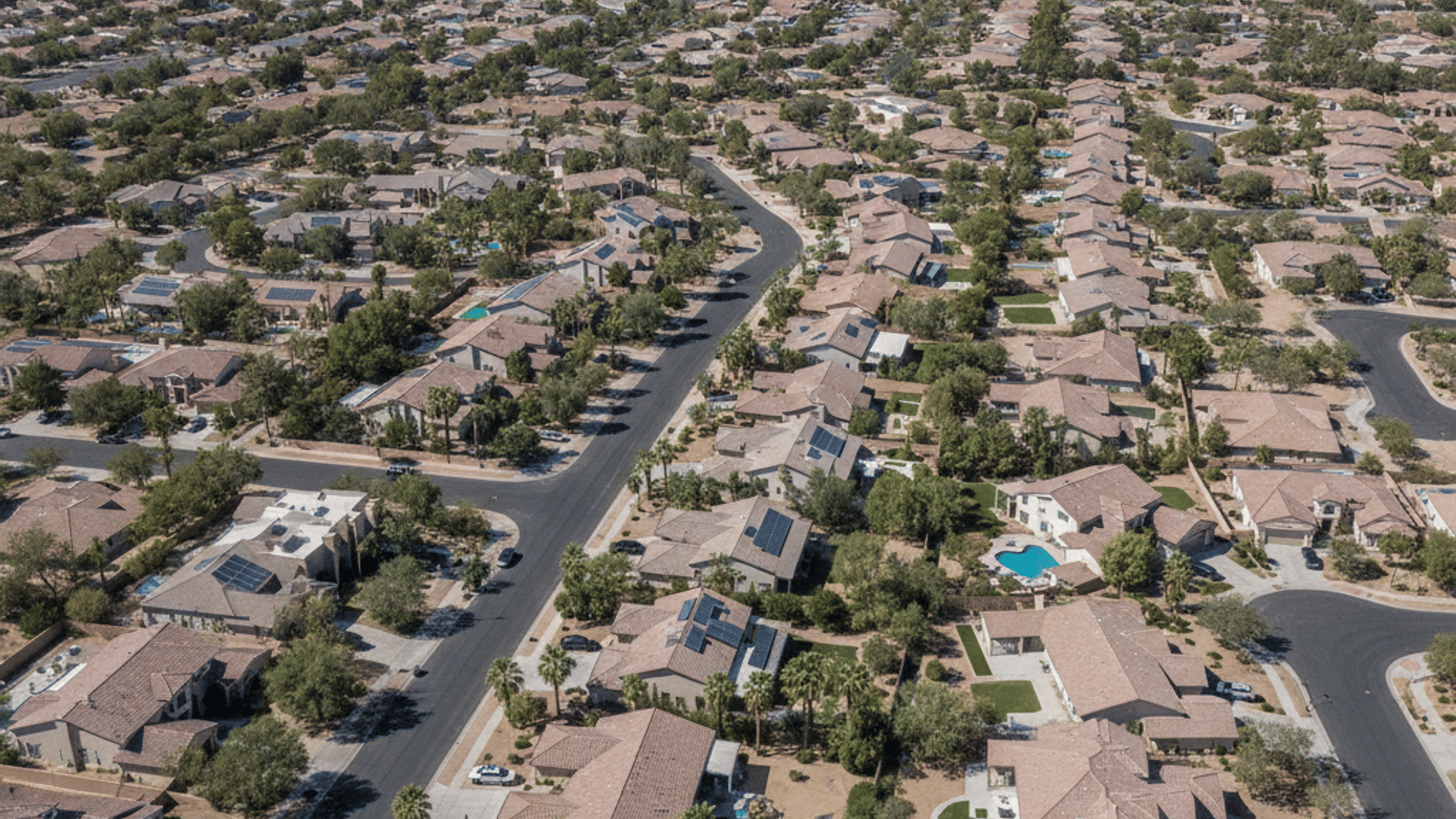
What to Expect as a Sole Beneficiary in a Nevada Probate: Inheriting a Las Vegas Home
Inheriting a property as the only heir might sound like a straightforward handover, but the legal reality involves some specific steps. Being the sole beneficiary in a Nevada probate case means you're the only person designated to receive the deceased person's assets. Even without other family members contesting the will, the state requires a formal process to transfer the real estate title into your name and ensure any outstanding debts are paid.
In Las Vegas, the path you take depends entirely on the value of the estate. The median sale price for a home in Las Vegas, NV sits around $470,000. Because recent legislative changes adjusted the state's legal thresholds, that median price point dictates whether you qualify for a streamlined court process or whether you'll proceed with a full traditional administration.
Why Being the Only Heir Does Not Bypass the Court
A lot of single heirs assume they can take the keys and move on. That's not how Nevada works. The state requires a court procedure to legally change the name on the property deed from the deceased person to the beneficiary - and without that court order, you can't sell, refinance, or legally claim the real estate. Full stop.
The legal system also uses this window to give creditors a chance to collect on outstanding debts. Even if you're the only person inheriting, the deceased person's final medical bills, credit cards, or personal loans have to be settled from the estate's funds before anything transfers to you.
The Role of the Clark County Court
You'll file your paperwork with the Eighth Judicial District Court, which serves as the probate court for Las Vegas and all of Clark County. The Probate Commissioners, James Fontano and Russel Geist, operate as the court-appointed hearing masters who oversee these matters. You can search court records online via the District Court Portal, or visit the clerk's office on the third floor of the Regional Justice Center at 200 Lewis Ave.
How Property Value Determines Your Legal Path
Nevada law categorizes estates based on their total probatable value, and that category determines the timeline and complexity of what you're about to go through. In 2025, the state implemented Senate Bill 404, which increased the monetary caps for simplified procedures. The updated thresholds apply to estates of anyone who passed away on or after October 1, 2025.
Because the Las Vegas median home value is roughly $470,000, many single-property inheritances now fall under the state's middle-tier procedure. If the estate includes other assets - bank accounts, vehicles, anything else - those values combine with the real estate to determine your final track.
Set Aside Estates
A Set Aside without administration is the fastest option Nevada offers. It applies to estates valued at $150,000 or less, up from the prior $100,000 limit, and it generally takes about four to six weeks to complete. Realistically, though, very few estates with real estate qualify here given current property values.
Summary Administration
Summary Administration is a shortened court process for estates valued between $150,001 and $500,000. With the Las Vegas median sitting right around $470,000, many inherited properties land squarely in this category. This path typically takes six to twelve months from start to finish.
General Administration
If the total estate value exceeds $500,000, you're in General Administration territory - the full, court-supervised process for larger estates. Plan on nine to 18 months or more, depending on the complexity of the assets and the volume of creditor claims.
Steps to Transfer a Clark County Real Estate Title
The transfer process starts the moment you file a formal petition with the Eighth Judicial District Court. You or your appointed executor will present the will and the death certificate to the clerk. The court then issues Letters Testamentary, which grant the legal authority to manage the deceased person's assets.
Once the case is open, the estate must publish a notice to creditors in a local newspaper - giving any unknown creditors a specific window to file claims for unpaid debts. Valid claims have to be paid from the estate's funds before you can petition the court to distribute what's left.
Clearing Creditors and Finalizing the Deed
Creditors have a specific timeframe to come forward, which varies slightly depending on whether you're in Summary or General Administration. If the estate doesn't have enough cash to cover those debts, the executor may need to sell the Las Vegas property during probate to cover the liabilities.
If the estate has sufficient cash - or if no creditors come forward at all - the court will eventually issue an order for final distribution. You take that court order to the Clark County Recorder's Office, and the property deed is officially transferred into your name.
Selling the Inherited House in Las Vegas
Once title is legally in your name, you have full authority to sell. The Las Vegas market moves at a steady pace, with homes spending roughly 50 days on the market before going under contract. Buyers are currently paying about 98.2% of list price, so a properly priced inherited home should attract solid offers.
That said, selling an inherited property carries different tax considerations than selling a primary residence. Talk to a tax professional about your specific situation before you list.
Tax Implications and Stepped-Up Basis
When you inherit real estate in Nevada, the property receives a stepped-up basis for tax purposes. The IRS values the home based on what it's worth on the date of the original owner's death - not what they paid for it years ago. If you sell shortly after inheriting, your capital gains taxes are calculated only on the appreciation that occurred between the date of death and the sale date.
Preparing the Property for the Market
Inherited homes almost always require some decisions about repairs and updates. You can list the property as-is, which appeals to investors but may bring a lower final price. Or you can make cosmetic updates to help the home compete with the nearly 3,000 other active listings currently available in the Las Vegas area. Neither choice is wrong - it depends on your timeline and what the property actually needs.
Frequently Asked Questions
Do I still have to go through probate in Nevada if I am the sole beneficiary named in the will?
Yes. Being the only heir doesn't bypass the legal requirement to transfer the property title and clear outstanding debts. You must still file a petition with the Eighth Judicial District Court to officially move the real estate into your name.
Can the probate process be fast-tracked in Las Vegas if there are no other heirs to contest it?
The timeline depends entirely on the monetary value of the estate, not the number of heirs. Estates under $150,000 qualify for a fast four-to-six-week Set Aside, while estates up to $500,000 qualify for Summary Administration, which takes six to twelve months.
Do I need to hire a Las Vegas probate attorney if I am both the sole beneficiary and the executor?
Nevada law doesn't mandate hiring an attorney for probate, but most executors choose to do so to handle the required court filings and creditor notices. Complex cases or estates requiring General Administration often benefit from professional legal guidance.
How are a deceased person's debts handled in Nevada before I can inherit the estate as the only beneficiary?
The estate must publish a notice giving creditors a chance to file claims for unpaid bills. You must use the estate's assets to pay those verified debts before the court allows the final distribution of the remaining property to you.
Are Clark County probate court fees cheaper if there is only one beneficiary?
No. The filing fees at the Regional Justice Center are based on the total value of the estate being probated. The number of beneficiaries doesn't change the court's standardized fee schedule.
What is the threshold for a small estate set-aside in Nevada if I am the sole heir?
For individuals who passed away on or after October 1, 2025, the threshold for a Set Aside estate in Nevada is $150,000 or less. If the death occurred before that date, the prior threshold of $100,000 applies.