What to Expect as an Executor for a Nevada Estate in Las Vegas
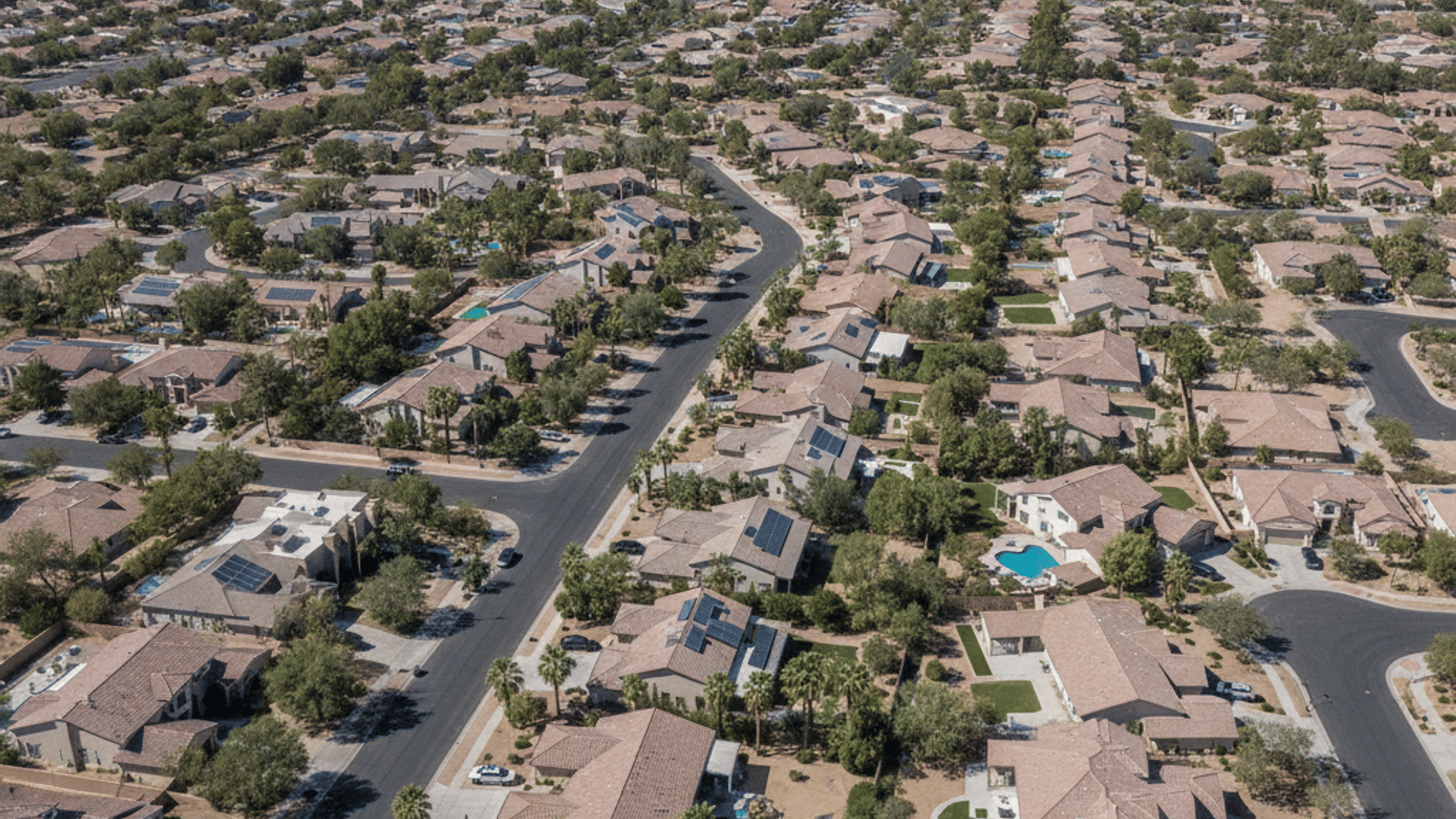
Settling an estate in Clark County almost always involves real property, and with the median home price in Las Vegas sitting around $470,000, the stakes are real. When someone passes away, another person has to step up - manage the assets, pay off the debts, and get what's left to the people who are supposed to receive it.
If you're named in the will to do all of that, you're the executor. Working through the Nevada probate process means understanding your legal responsibilities, from keeping a vacant house locked and cooled to filing the right paperwork at the Eighth Judicial District Court.
The Role of an Estate Executor in Nevada
An executor is the person legally appointed to manage a deceased person's estate. You're the central point of contact for the probate court, the creditors, and the heirs waiting on their inheritance.
The position comes with a strict fiduciary duty - you're legally obligated to act in the best financial interest of the estate, not yourself. That means no mixing estate funds with your personal accounts and no buying estate property from yourself at a discount.
Before you can do much of anything, you need Letters Testamentary issued by the Clark County probate court. Those documents are what give you the legal authority to access bank accounts, deal with utility companies, and eventually list real estate for sale.
Who Can Serve as an Estate Executor in Nevada
Nevada law is specific about who's eligible to manage a probate estate. The court won't hand over Letters Testamentary to just anyone, even a close family member. Generally, you need to be an adult of sound mind with no felony conviction on your record.
The state also draws a clear line between an executor - someone named in a will - and an administrator, who steps in when there's no will. Under NRS 139.010, if you're named in the will and you live out of state, you can serve alone. The court respects the decedent's choice.
If there's no will and you're out of state, it's a different story. You'll need to bring in a Nevada resident or an authorized banking corporation as a co-administrator. And regardless of whether you're an executor or administrator, living outside the state generally means you need to designate a resident agent in Nevada who can accept legal papers on your behalf.
Step-by-Step Duties for a Nevada Executor
Once the court issues your paperwork, the actual work starts. You're responsible for identifying every asset the deceased owned and keeping all of it safe throughout the probate process.
For real estate, that means securing the property, maintaining the utilities, and keeping the homeowner's insurance active. A vacant Las Vegas home in the middle of summer isn't something you can ignore - the heat alone can cause damage, and an empty house invites other problems. Regular checks matter.
You'll also need to notify known creditors and publish a Notice to Creditors in a local newspaper. Once the statutory waiting period runs out, you evaluate the claims, pay the legitimate debts and final taxes from estate funds, and distribute what's left to the heirs.
How to Sell an Inherited Las Vegas Home During Probate
Liquidating real estate is usually the biggest financial transaction you'll handle as an executor. With Las Vegas homes currently spending roughly 50 days on the market, you need to be actively managing the process alongside your legal filings - the two run in parallel.
Selling a house in probate in Nevada typically requires court oversight. Unless the estate qualifies for independent administration, you'll need court approval to list the property and a final confirmation hearing before the sale can close. That confirmation hearing usually adds about 30 to 40 days to the timeline after you've accepted a buyer's offer.
A local real estate agent who knows the Eighth Judicial District Court's procedures is worth finding early. They can help you price the home, market it to the right buyers, and make sure every purchase agreement includes the probate contingencies the court will expect to see.
How Executors Are Paid for Their Time
This is a time-consuming job, and Nevada law acknowledges that. If the will doesn't spell out a flat fee or hourly rate, the state falls back on a statutory formula based on the estate's accounted value, minus liens and encumbrances.
Under NRS 150.020, the scale works like this: 4% of the first $15,000, 3% of the next $85,000, and 2% of the next $800,000. For larger estates, the percentage keeps dropping - 1% on the next $9 million and 0.5% on the next $15 million.
There's also a separate provision under NRS 150.030 for extraordinary fees. If you've put in significant time managing a complex real estate sale or working through probate litigation, you can petition the judge for additional compensation beyond what the standard percentage produces. It's not automatic, but it's available.
Frequently Asked Questions
Can someone living out of state serve as an executor for a Las Vegas probate?
Yes. If you're named in the will, Nevada law allows you to serve as an out-of-state executor without a local co-executor. If there's no will, though, out-of-state administrators must partner with a Nevada resident or an authorized bank. Either way, all out-of-state representatives typically need a designated resident agent to receive legal documents.
Does an executor need court approval to sell an inherited house in Las Vegas?
It depends on how the estate is administered. Standard probate sales require a court confirmation hearing, which adds about 30 to 40 days after an offer is accepted. Estates granted independent administration may be able to bypass some of those formal court hearings.
How are executor compensation and fees calculated under Nevada probate law?
If the will doesn't state a specific fee, compensation is calculated on a tiered percentage of the estate's value minus liens. Executors earn 4% on the first $15,000, 3% on the next $85,000, and 2% on the next $800,000.
How long does it typically take an executor to settle an estate through the Las Vegas probate courts?
A typical probate estate in Clark County takes roughly four to nine months from the initial filing to final distribution. Simple summary administrations might wrap up in seven to eight months, while contested wills or complex estates can stretch to a year or longer.
What happens to a Las Vegas property if the deceased didn't name an executor in their will?
The probate court appoints an administrator to handle the estate. That person takes on the same legal responsibilities as an executor - securing the property, paying debts, and eventually distributing or selling the home.
Is an executor personally responsible for paying the deceased's debts in Nevada?
No. The deceased person's debts are paid from the assets within the estate. As long as you fulfill your fiduciary duty and don't mismanage the funds, you're not on the hook for their creditors out of your own pocket.