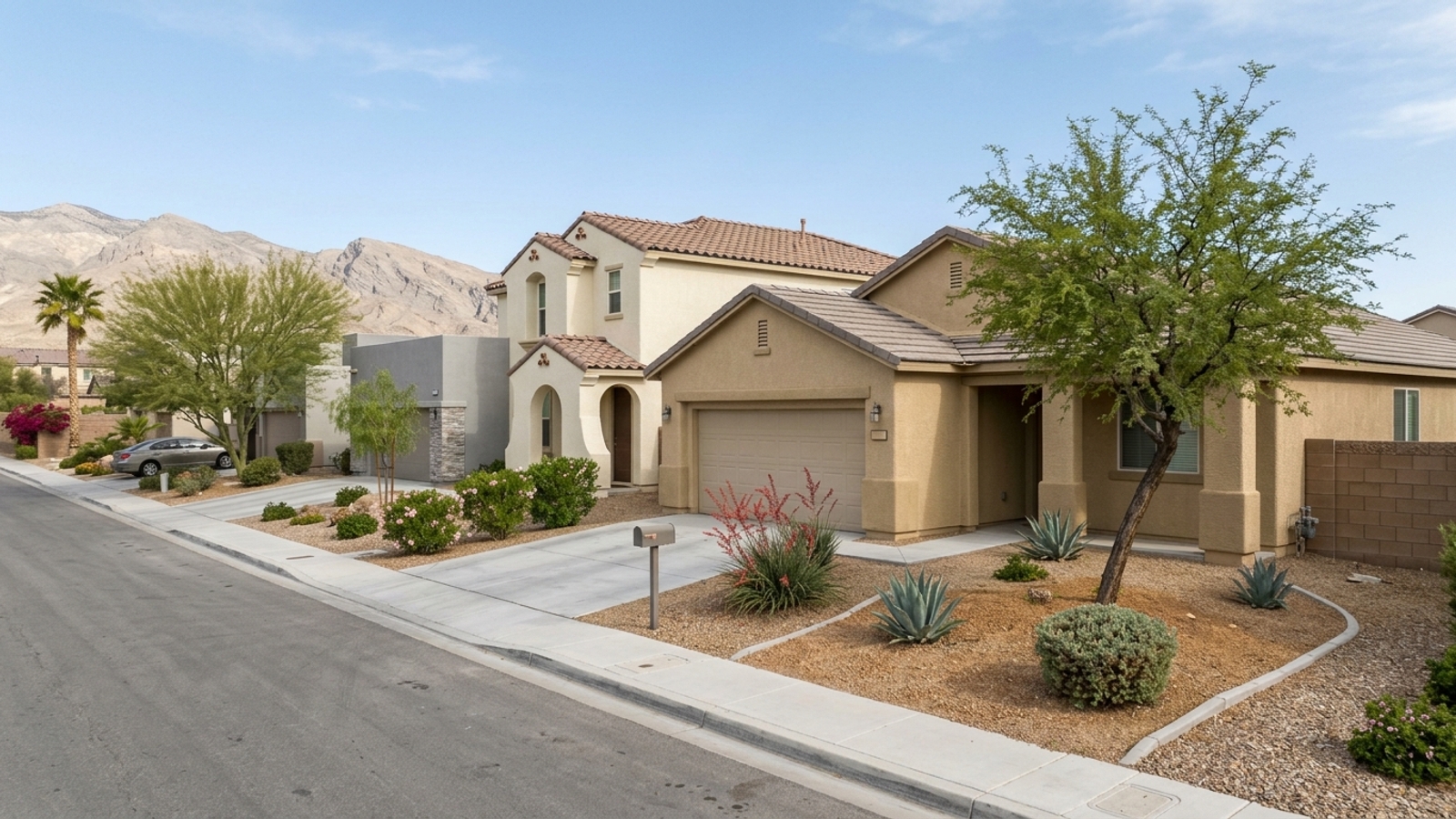
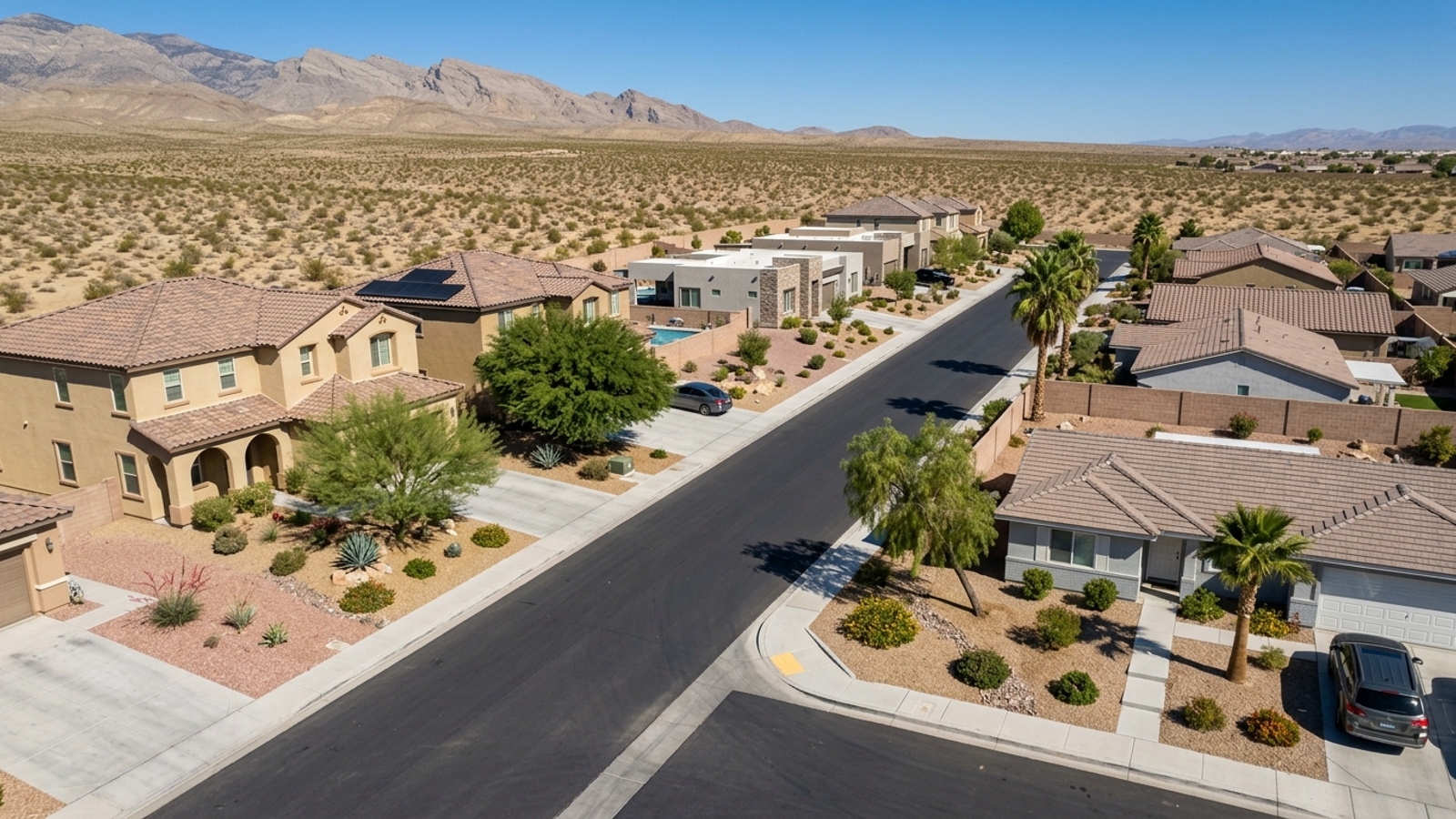
A house that belongs to a deceased person's estate cannot be sold before a personal representative holds letters from the court. Nobody has the legal power to sign a deed or transfer ownership until a judge grants that authority. Whether you can sell a property "before probate" in Nevada is decided by the recorded deed, not the calendar.
Many Las Vegas houses never enter probate at all. The last recorded deed tells you exactly which kind of property you have and what legal path you must take.
Key takeaway
You can sell a Nevada house right away only if it passed outside probate, through a trust, a recorded deed upon death, or a surviving joint owner. Otherwise, nobody can sign a sale agreement until the Clark County court issues letters. If you're waiting on letters, spend that time on prep work that needs no authority, especially with a condo, which is taking a median 78 days to sell in Las Vegas.
Who this guide is for
You're handling a Las Vegas-area house after the owner's death and need to know whether it can be sold now or has to wait for the probate court.
Can you sell a house before probate in Nevada?
You can't sign a deed or accept an offer on behalf of the deceased owner until a judge formally grants you that power.
The wait for court letters carries a real cost in the current market, particularly for condos and townhouses. Las Vegas condos take a median 78 days to sell with 7.3 months of supply, compared to 51 days and 4.3 months for single-family homes (all sales, 90 days ending 2026-09-30). Townhouses sit at a median 71 days with 5.6 months of supply.
This guide is not legal advice, so consult a probate attorney for your specific situation. If you're unsure what the legal process entails, review what probate means for a house before making any decisions about the property.
How to tell which path your house is on
Start by pulling the last recorded deed from the Clark County Recorder and read exactly how the title is vested. The Clark County Recorder's official recordation-requirements page states that vital records such as death certificates are non-recordable documents in their own right and may be recorded as an exhibit only when attached to an affidavit of death.
Does the recorded deed show a trust as the owner, a deed upon death, or a co-owner with a right of survivorship? If yes, skip to the section on houses that can sell without probate.
If the deed doesn't show those ownership types, has the court issued letters to anyone yet? If not, focus on what you can do while you wait. If letters were issued, check whether they grant full or limited authority, then read the matching section below.
Houses that can sell without probate
These three paths are the only ways someone has authority to sell a property shortly after a death. They keep the house out of probate by passing ownership directly to a beneficiary, trustee, or co-owner.
You can learn more about avoiding probate with trusts and deeds to see how these legal structures operate.
Houses held in a trust
The successor trustee can list the house and sign the sale documents without a court case once they step in. Title companies usually ask for a certification of trust and a death certificate rather than the whole trust document. Under Nevada law, a trustee can present a certification of trust to establish their authority when dealing with buyers or title companies.
If you want to sell within weeks of the death without a court case, start with the recorded deed to see if it names a trust. You can compare a trust vs probate to understand the administrative differences.
One thing to watch: if the recorded deed still shows the person's own name rather than the trust, the trust might not control the house. That can mean a court process before anyone can sell, so ask the trust attorney to confirm the house was deeded into the trust.
Houses with a recorded deed upon death
Nevada lets an owner record a deed upon death naming a beneficiary. After the owner dies, the beneficiary records a Death of Grantor Affidavit with a certified death certificate and can then sell the property in their own name.
This is often the fastest legal path to a sale. The deed must be executed, notarized, and recorded with the county recorder before the owner's death. Recording a deed upon death after the owner dies has no legal effect.
The house can still be reached for the owner's debts and, in some cases, Medicaid estate recovery. If the required written notice to the Nevada Health Authority is not given after death, the property remains subject to the Authority's right to recover public assistance paid to the grantor.
Houses with a surviving joint owner
Joint tenancy, or community property with right of survivorship, passes the house to the surviving owner automatically. The survivor clears the deceased owner from the title by recording an affidavit of death with the county recorder and can then sell the house alone.
This path differs from owning property as "tenants in common" or plain community property. In those cases, the deceased owner's share may need to go through probate.
The wording on the deed decides everything here. A deed that says "tenants in common" or omits survivorship language can put the deceased owner's half into probate, and the survivor cannot sell the whole house alone until that's resolved.
Houses that have to wait for the court
Nobody signs a sale agreement until the Eighth Judicial District Court in Clark County issues letters to a personal representative. Three variations decide how much court involvement the sale itself needs.
You can read more about the probate process and timeline to see how these stages unfold.
Summary administration for smaller estates
Nevada offers a shorter court process for estates under a specific value cap. A Nevada district court may order summary administration if the gross value of the estate, after deducting any encumbrances, does not exceed $500,000. This process waives most of the regular notice and procedural requirements of general probate.
It's still a court case that produces letters, so it shortens the wait rather than removing it. The personal representative must petition to revoke summary administration if the gross value is later found to exceed $500,000 as of the date of death.
Estate value usually counts the house at market value. With single-family homes routinely selling near half a million dollars, many Las Vegas estates with a paid-off house may exceed the cap, so check with the attorney before assuming this path applies.
Full authority under general administration
With full authority, the personal representative can sell the house without a court confirmation hearing. They give notice of the proposed sale to interested persons first. This is the closest you can get to a normal real estate listing during probate.
If you want a sale that closes like a normal listing once letters are issued, ask your attorney whether you can request full authority. You can read more about full vs limited authority to understand the differences.
The downside is that an heir or other interested person who objects to the notice can push the sale back to the court for approval, which brings back exactly the delay full authority was meant to avoid.
Limited authority and court confirmation
Under limited authority, an accepted offer goes to a court confirmation hearing. The personal representative reports the sale to the court, and the petition for confirmation is due within 30 days after the sale.
At the confirmation hearing, a different buyer can show up and outbid the accepted offer in the courtroom. If a written overbid of at least 5% is presented, the court may accept it, order a new sale, or conduct a public auction in open court. You can review the court listing steps and costs to see how this works.
The hearing date adds weeks on top of normal marketing time. Some buyers won't make an offer they can lose in court, which can thin the buyer pool. If the people involved disagree on price and you want court oversight, start with a conversation with the attorney about limited authority.
What happens if you sell before you have authority
A deed signed by someone without authority doesn't pass good title. A title company won't insure the sale, and the buyer can't close.
The exposure goes beyond a failed transaction. Under Nevada law, a person who alienates or converts property of a decedent before letters are granted is liable to an action by the personal representative for triple the value of the property.
If you receive "we buy houses before probate" offers, confirm in writing whether any purchase agreement is contingent on letters being issued and court confirmation. No cash offer can legally bypass the court's authority over an estate asset.
What you can do while you wait for letters
The wait for court letters is the right time to handle prep work that requires no legal authority. Locate the deed and estate documents and order certified death certificates.
Secure the house and ask the homeowner's insurer whether the policy has a vacancy clause. You can read about vacant house upkeep and insurance to keep the property protected. Keep the mortgage during probate current to prevent foreclosure.
Get a date-of-death valuation to establish the home's tax basis, which helps you avoid capital gains later. Ask the HOA for current dues, any balance owed, and the cost and turnaround of the resale package. Leave contents and occupancy decisions to whoever gets authority, and read about living in the house during probate before letting anyone move in.
Las Vegas Realty & Probate can walk through this prep with you before letters issue.
Las Vegas housing market and estate sale timing
Townhouse values in Las Vegas were down 2.8% year over year to a $349,954 median (all sales, 90 days ending 2026-09-30). If that pace held, each month of waiting is roughly $820 in value on a median townhouse, before adding in carrying costs.
Single-family values rose 3% over the same window to a $499,701 median. For detached homes, carrying costs like the mortgage, insurance, and utilities are the main cost of waiting, rather than value drift. Last year's change is not a forecast, but it shows how different property types behave differently.
Condos are seeing a 97.7% sale-to-list ratio on a $249,874 median, which means planning for roughly $5,750 of negotiation off the asking price. Only 6.2% of condos sold above list price, compared to 14.6% of single-family homes. If you want to keep a slow-selling condo from sitting longer than it has to, start the prep that needs no authority as soon as the deed is found.
A pricing review for your specific property is available once authority is in hand. You can also read more about selling during probate to understand the listing process.
At a glance
- All Las Vegas homes (all sales, not probate-only, 90 days ending 2026-09-30): median sale price $449,786, +1.1% year over year, 4.8 months of supply, 3,430 homes for sale
- Single-family homes (90 days ending 2026-09-30): median sale price $499,701, +3% year over year, median 51 days on market, 98.1% sale-to-list, 14.6% sold above list, 4.3 months of supply
- Condos (90 days ending 2026-09-30): median sale price $249,874, 0% year over year, median 78 days on market, 97.7% sale-to-list, 6.2% sold above list, 7.3 months of supply
- Townhouses (90 days ending 2026-09-30): median sale price $349,954, -2.8% year over year, median 71 days on market, 98.3% sale-to-list, 10.5% sold above list, 5.6 months of supply
- Source: Redfin data via Redfin Data Center, Las Vegas area, all closed sales of each type (probate sales are not broken out separately)
Selling a house before probate in Nevada FAQs
Do you need probate to sell a house if the Nevada estate is small?
Yes, if the estate includes real property. An heir can use a small-estate Affidavit of Entitlement to collect personal property if the gross value does not exceed $25,000 (or $150,000 for a surviving spouse), but this affidavit cannot be used if the deceased left any Nevada real property. A district court can "set aside" an estate for a surviving spouse or minor children if the gross value does not exceed $150,000, and this can include the family home. Estate value usually counts the house at market value, so most Las Vegas homes exceed these limits and require summary administration.
What should you not do with a house during probate in Nevada?
Don't let heirs move in without the personal representative's consent, let the insurance lapse during a vacancy, or stop making mortgage payments. Avoid major renovations before a valuation, and never distribute sale proceeds before creditor claims are resolved. Under Nevada law, taking or alienating property before letters are granted makes you liable for triple the value of the property, so debts paid before probate closes must be handled carefully.
Who owns a house in Nevada while it's in probate?
The title stays in the deceased owner's name, and the personal representative controls it until a sale or distribution. No title passes on an estate real property sale unless the sale is confirmed by the court. You can read more about who owns the house during probate for a complete breakdown of ownership rights.
Can a beneficiary stop an executor from selling the house in Nevada?
Yes. Under full authority, an interested person can object to the Notice of Proposed Action and force court review of the sale. Under limited authority, an interested person may file written objections to the confirmation of the sale, produce witnesses, and be heard by the judge at the confirmation hearing.
Can you clean out an inherited house before probate in Nevada?
No, the contents are estate property. Removing or giving away items before letters are granted can create disputes and leave you liable for triple the value of the property converted or taken. Secure the items, photograph the contents as found, and ask the estate's attorney before removing anything of value.
How long does it take to sell a house through probate in Las Vegas?
The timeline adds the wait for court letters to the normal marketing time of the house. Under limited authority, you also add the time for a confirmation hearing, since the report and petition for confirmation are due within 30 days after the sale. At that hearing, a higher bid can lead the court to continue the hearing to let the original bidder respond.
Do you have to fill out a seller disclosure when selling a probate house in Nevada?
No, a personal representative is exempt from the standard Seller's Real Property Disclosure requirement. This exemption applies to fiduciaries who take temporary possession or control of a property solely to assist in the sale on behalf of a deceased person. HOA resale packages are still required for HOA properties, so ask the association about the cost and turnaround time.
Can you sell a house with power of attorney after the owner dies in Nevada?
No. A power of attorney ends at death, so the former agent has no authority to sell the house. Authority then comes from the deed, such as a trust, deed upon death, or survivorship, or from court letters.
Sources
- Redfin: Data Center
- Nevada Legislature: NRS 111 - Estates in Property; Conveyancing and Recording
- Nevada Legislature: NRS 164 - Administration of Trusts
- Nevada Legislature: NRS 145 - Summary Administration of Estates
- Jeffrey Burr: Nevada Small Estate Probate Avoidance Statutes
- Nevada Legislature: NRS 148 - Sales, Conveyances and Exchanges
- Nevada Legislature: NRS 143 - Powers and Duties of Personal Representatives
- Nevada Real Estate Division: Seller's Real Property Disclosure Form
- Nevada Legislature: NRS 422 - Health Care Financing and Policy
- Clark County Recorder: Requirements